
Burnout Signs, Coping, and Small Changes for High Achievers and First Responders

Burnout can look like a person who is still showing up, still answering messages, still taking care of everyone else, and quietly feeling like they are running on fumes.
It is common, especially among people who carry a lot of responsibility. Parents, caregivers, students, clinicians, shift workers, first responders, leaders, and high achievers can all experience it. Many people do not recognize it at first because they are not “falling apart.” They are functioning, meeting deadlines, keeping promises, and pushing through.
That is part of what makes burnout so hard to catch. It often starts as exhaustion that rest does not fix. Then it can turn into irritability, numbness, dread, poor sleep, guilt, or a sense that nothing you do is ever enough.
This article is for general education and is not a substitute for medical or mental health care. If symptoms feel intense, unsafe, or unmanageable, reaching out to a licensed professional is a strong next step.

Burnout is common and often misunderstood
Burnout is not just being tired after a busy week. It is a state of ongoing physical, emotional, and mental strain that builds when demands stay high and recovery stays low.
It can come from work, caregiving, school, family stress, financial pressure, chronic illness, traumatic exposure, or a mix of many things. It is especially likely when someone feels trapped between what is expected and what they can realistically give.
People often assume burnout means laziness, weakness, or poor time management. That is inaccurate and unfair. Many burned-out people are deeply committed. They care a lot. They may have spent years being dependable, competent, and self-sacrificing.
Common signs include:
Feeling exhausted even after sleep
Irritability, impatience, or emotional numbness
Dreading tasks that used to feel manageable
Trouble focusing or making decisions
Feeling cynical, detached, or resentful
Headaches, stomach issues, muscle tension, or frequent illness
Changes in sleep, appetite, or motivation
Feeling guilty when resting
Using alcohol, food, scrolling, or overworking to disconnect
Thinking, “I can’t keep doing this,” even if life looks fine from the outside
Burnout also affects relationships. A person may withdraw, snap at loved ones, stop replying to friends, or feel too depleted to connect. They may feel ashamed because they “should be grateful” or “should be able to handle it.”
Those thoughts can keep the cycle going. Shame makes people hide. Hiding delays support.
Burnout can look different in high achievers and perfectionists
High-functioning burnout can be confusing because performance may stay strong for a long time. The person may still be praised at work. They may still keep the house going, care for others, and appear organized. Inside, though, everything takes more effort.
High achievers and perfectionists often miss early warning signs because they are used to pushing through discomfort. They may see stress as the cost of success. They may believe rest has to be earned.
For some, the inner rule sounds like:
“If I slow down, everything will fall apart.”
That belief can feel true, especially for people who have been rewarded for being responsible, efficient, or selfless. But over time, constant pressure can make the nervous system feel stuck in survival mode.
How high-functioning burnout may present
High-functioning burnout often shows up in subtle but painful ways:
Overpreparing
Taking far longer than needed because mistakes feel unsafe.
Difficulty delegating
Believing no one else will do it “right,” or feeling guilty for asking.
Restlessness during downtime
Sitting still feels uncomfortable, so another task gets added.
All-or-nothing thinking
A small mistake feels like failure. A normal tired day feels like proof of inadequacy.
Hidden resentment
Saying yes on the outside while feeling angry or unseen on the inside.
Loss of joy
Activities that used to feel meaningful now feel like obligations.
Private collapse
Functioning in public, then shutting down, crying, zoning out, or feeling empty when alone.
Perfectionism can turn coping into another project. A person may try to “fix” burnout perfectly by creating a strict morning routine, tracking every habit, and judging themselves for not healing fast enough.
Recovery does not usually work that way. It is less about a total life overhaul and more about repeatedly choosing small, realistic moments of repair.

Burnout is a body signal, not a character flaw
Burnout is often discussed as a mindset problem, but it is also physical. Long-term stress can affect sleep, digestion, pain levels, concentration, mood, and energy. The body may start sending louder signals when quieter ones have been ignored.
That does not mean someone is broken. It means the current pace, load, or lack of support may not be sustainable.
A useful question is not “Why can’t I handle this?” A better question is:
“What has my body been trying to tell me?”
The answer may be simple and hard at the same time:
I need more sleep.
I need fewer responsibilities.
I need help.
I need to stop saying yes automatically.
I need time where no one needs anything from me.
I need to talk about what I have been carrying.
For people in telehealth therapy or considering therapy, this is often where the work begins. Therapy may help identify patterns that keep burnout going, such as people-pleasing, fear of disappointing others, trauma responses, unprocessed grief, or beliefs about worth being tied to productivity.
First responders face a unique kind of burnout
First responders and medical professionals often face stress that goes beyond a heavy workload. Police officers, firefighters, paramedics, nurses, doctors, and nurse practitioners may regularly encounter danger, suffering, death, high-stakes decisions, sleep disruption, staffing shortages, and public pressure.
The nervous system is not designed to absorb crisis after crisis without recovery. Even highly trained professionals are still human.
Burnout in first responders can include the usual signs, but it may also involve:
Emotional numbness after repeated exposure to trauma
Feeling detached from patients, callers, coworkers, or family
Hypervigilance, even off duty
Sleep problems after night shifts or critical incidents
Irritability that feels hard to control
Dark humor that no longer feels like relief
Increased alcohol use or other ways to shut the mind off
Guilt after calls, losses, or decisions made under pressure
Trouble transitioning from work mode to home life
A sense that civilians “wouldn’t understand”
There can also be cultural barriers to getting help. Some first responders work in environments where toughness is expected and vulnerability feels risky. They may worry about confidentiality, stigma, licensing, fitness for duty, or being seen as unreliable.
Those concerns are real. They also should not prevent care. Support can be private, practical, and grounded in the realities of the job.
Someone may even search “First Responder mental health teleheath” late at night because they want help without explaining themselves at a front desk or sitting in a waiting room. Telehealth can make care more accessible for shift workers, rural responders, and professionals who need privacy and flexibility.
For first responders, coping is not just bubble baths and deep breathing. It may involve:
Processing traumatic calls with a trained professional
Building decompression rituals after shifts
Learning how to come down from hyperarousal
Addressing sleep disruption as a health priority
Strengthening peer support without relying only on peers
Talking honestly about moral injury, grief, and anger
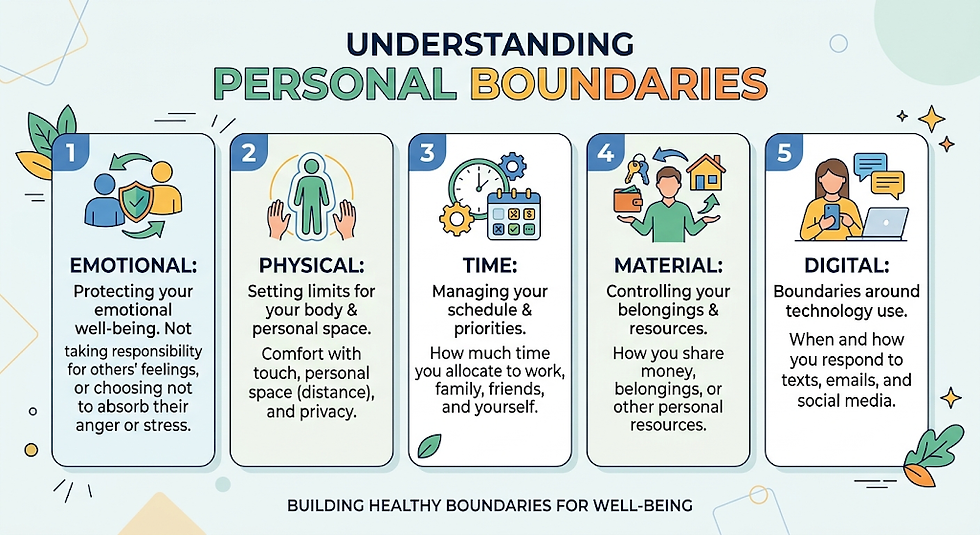
Creating boundaries around overtime when possible
If there are thoughts of self-harm, feeling unsafe, or fear of harming someone else, immediate support matters. In the United States, call or text 988 for the Suicide and Crisis Lifeline, call 911 for imminent danger, or go to the nearest emergency room.

Small changes help because they are repeatable
When someone is burned out, advice can feel insulting if it requires more energy than they have. “Just take a vacation” may not be possible. “Set better boundaries” may feel too vague. “Practice self-care” can sound like one more task.
Small changes matter because they lower the activation level of the day. They are not magic, but they create openings for recovery.
Start with changes that take less than five minutes.
Pause before saying yes
A simple script can protect energy:
“I need to check my schedule before I commit.”
This creates space between the request and the automatic yes. It also helps retrain the belief that every need is an emergency.
Pick one daily nonnegotiable
Do not choose ten habits. Choose one.
Examples:
Eat something with protein before noon.
Step outside for three minutes.
Stop work or chores at a set time once this week.
Drink water before the second coffee.
Sit in the car for two quiet minutes before going inside.
Stretch your neck and shoulders before bed.
The goal is not perfection. The goal is to send the brain and body a new message: my needs count too.
Lower the standard on purpose
Perfectionists often need practice doing things “good enough.”
Try one controlled experiment:
Send the message without rereading it five times.
Let the laundry stay unfolded for one night.
Make a simple dinner instead of a “proper” one.
Ask someone else to handle a task their way.
Stop at 80 percent when 80 percent is enough.
This may feel uncomfortable. That discomfort is part of the change, not a sign that change is wrong.
Build a transition ritual
Burnout worsens when one demand runs directly into the next. A transition ritual helps the body shift gears.
Examples:
Wash your hands slowly after work and imagine the day rinsing off.
Change clothes before starting home responsibilities.
Take three breaths before entering the house.
Listen to one calming song in the driveway.
Write down the one thing that must be handled later, then stop mentally carrying the whole list.
For first responders and healthcare workers, transition rituals can be especially useful after intense shifts. They do not erase what happened, but they mark a boundary between the role and the person.
Name what is happening
Language reduces confusion. Instead of “I’m failing,” try:
“I am depleted.”
“My stress has been high for too long.”
“I need recovery, not more pressure.”
“This is a signal, not a personal defect.”
Naming burnout honestly can soften shame. It can also make it easier to ask for specific help.

When to reach out for more support
Some burnout improves with rest, boundaries, and reduced demands. But many people need more support, especially when burnout has been building for months or years.
Consider reaching out to a mental health professional if:
Rest does not help
Sleep problems persist
Anxiety, depression, anger, or numbness feel hard to manage
Work or relationships are suffering
You feel trapped, hopeless, or unlike yourself
Substance use has increased
Trauma memories or critical incidents keep replaying
You cannot stop pushing even when your body is asking you to stop
Telehealth therapy can be a practical option because it removes some barriers. There is no commute, scheduling may be easier, and sessions can happen from a private space. For people who are exhausted, that can make starting feel more possible.
Therapy for burnout is not about blaming someone for being stressed. It can help clarify what needs to change internally, externally, or both. Sometimes the work is learning boundaries. Sometimes it is processing trauma. Sometimes it is grief, identity, values, sleep, nervous system regulation, or learning to stop measuring worth by usefulness.
Medication may also be part of care for some people, especially when burnout overlaps with depression, anxiety, panic, insomnia, or trauma symptoms. A licensed medical professional can help assess that.
A practical way to begin this week
If everything feels like too much, begin with one small plan.
Choose one item from each group:
Reduce one demand
Add one recovery cue
Tell one safe person
Decline one optional task, delay one chore, or ask for help with one responsibility.
Step outside, breathe slowly for one minute, eat a real meal, or go to bed 15 minutes earlier.
Say, “I am more burned out than I have been admitting.”
Keep it small enough that it feels almost too easy. That is often the right size for a burned-out nervous system.
The first step is not to rebuild your whole life overnight. The first step is to stop treating depletion as a personal failure. Pay attention to the signals. Make one change you can repeat. Let support count as strength, not as proof that you could not handle it alone.

Comments